Religious places across India generate significant volumes of sacred waste every day. Flowers, garlands, leaves, coconuts and other offerings collectively known as nirmalya are an integral part of worship. However, when not managed properly, nirmalya waste often ends up in open areas, drains or water bodies, leading to hygiene issues, environmental damage and regulatory concerns.
As temples, municipalities and religious trusts increasingly focus on cleanliness, sustainability and responsible waste handling, the Nirmalya Kalash has emerged as a practical and respectful solution for sacred waste management.
What Is a Nirmalya Kalash?
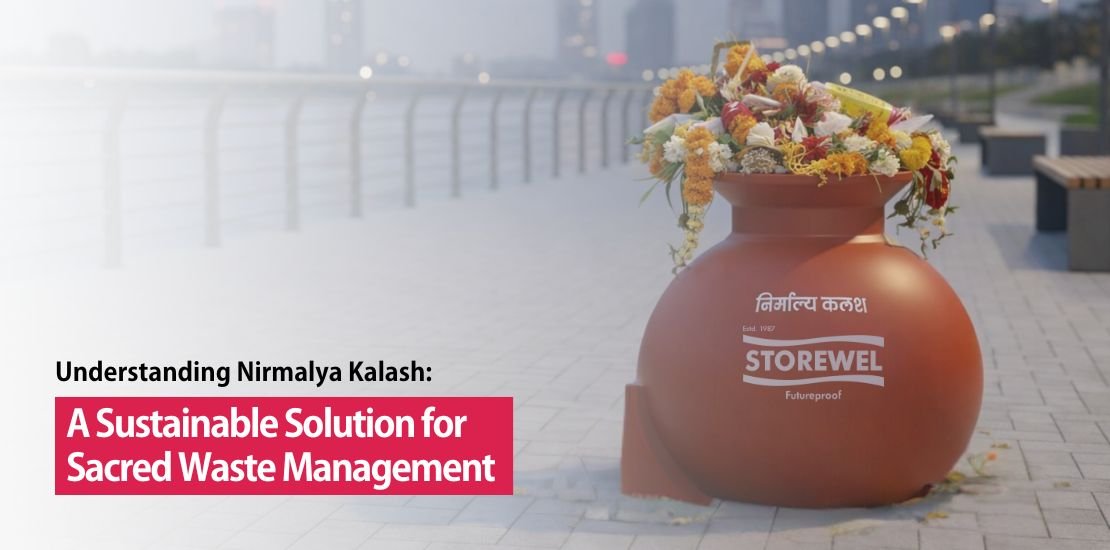
A Nirmalya Kalash is a dedicated collection system designed specifically for the segregation and safe disposal of religious offerings. It provides a structured, hygienic and dignified way to collect sacred waste separately from general garbage.
By encouraging proper segregation at the source, Nirmalya Kalash systems help temples and public spaces maintain cleanliness while preserving the sanctity of religious practices.
Why Nirmalya Waste Management Is a Growing Concern
Traditionally, nirmalya waste was disposed of informally, often into nearby water bodies or open land. Today, this approach presents multiple challenges:
- Environmental impact due to organic waste accumulation in rivers and lakes
- Hygiene issues such as foul odour, pest infestation and blocked drainage
- Operational inefficiencies during peak festival days and large gatherings
- Regulatory pressure from municipal and environmental authorities
- Negative devotee experience in overcrowded or unclean temple premises
These challenges highlight the need for structured and sustainable solutions.
How Nirmalya Kalash Supports Sustainable Practices
A well-designed Nirmalya Kalash system enables:
- Source segregation of sacred waste
- Cleaner temple premises with reduced spillage and overflow
- Safer handling of organic offerings
- Facilitation of composting or recycling initiatives
- Alignment with Swachh Bharat and local cleanliness drives
By treating sacred waste responsibly, temples and institutions contribute to environmental protection without compromising religious values.
Design and Material Considerations That Matter
For Nirmalya Kalash systems to function effectively, durability and hygiene are critical. These units are often placed outdoors, exposed to sunlight, rain and heavy daily usage.
Key considerations include:
- Weather-resistant construction
- Easy-to-clean surfaces
- Adequate capacity for high footfall areas
- Stability and durability to prevent damage or misuse
- A design that respects the sanctity of religious spaces
This is where engineered solutions make a meaningful difference.
Why Institutions Choose Storewel for Nirmalya Kalash Solutions
Storewel brings engineering expertise and material innovation to sacred waste management through thoughtfully designed Nirmalya Kalash systems.
Storewel solutions are developed to meet the practical needs of temples, municipalities and public spaces while maintaining respect for religious traditions.
Key advantages of Storewel Nirmalya Kalash include:
- Durable, weather-resistant construction suitable for outdoor placement
- Low-maintenance design for daily use in high-footfall environments
- Easy handling and cleaning to maintain hygiene standards
- Long service life, reducing replacement and maintenance costs
- Support for sustainable waste practices, including composting and segregation
By combining functionality, durability and respect for purpose, Storewel enables institutions to manage sacred waste responsibly and efficiently.
Conclusion
Nirmalya Kalash systems represent more than just waste bins. They are a bridge between tradition and sustainability, allowing religious spaces to remain clean, organised and environmentally responsible.
As awareness around responsible waste management grows, adopting structured solutions like Nirmalya Kalash becomes essential. With engineered designs and a focus on long-term performance, Storewel continues to support temples and institutions in creating cleaner, more sustainable sacred spaces.